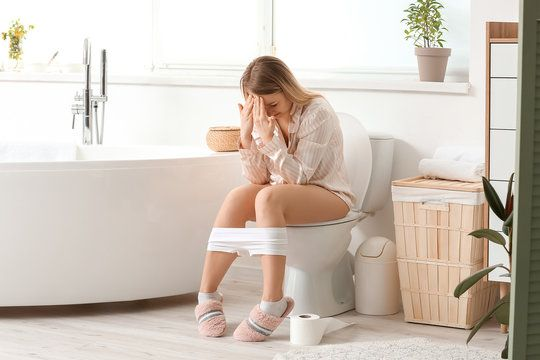

Fecal incontinence is a condition that affects millions, yet few openly discuss it. The inability to control bowel movements can disrupt daily life, impact confidence, and cause emotional stress. Fortunately, a variety of treatments exist that aim not only to restore control but also to enhance comfort. From lifestyle adjustments to medical interventions, understanding these options can make a significant difference in quality of life.
Lifestyle Changes for Managing Fecal Incontinence
Simple lifestyle adjustments can be the first line of defense against fecal incontinence, helping reduce accidents and improve overall bowel control. Managing diet is a key factor in addressing fecal incontinence, as fiber-rich foods help bulk stool while avoiding triggers like caffeine or excessive fats can minimize urgency. Regular exercise strengthens core and pelvic muscles, providing additional support for controlling bowel movements affected by fecal incontinence. Staying hydrated also plays a vital role, keeping stool consistency manageable and reducing discomfort.
Pelvic Floor Exercises to Strengthen Control
Pelvic floor exercises, often referred to as Kegel exercises, are highly effective for fecal incontinence. These exercises target the muscles responsible for controlling bowel movements. Strengthening them improves both timing and awareness of bowel activity. Patients are usually advised to practice these exercises daily, gradually increasing repetitions. Over time, pelvic floor training can restore a sense of control, reduce accidents, and make daily life more comfortable.
Medications That Support Fecal Incontinence Management
Certain medications can help manage fecal incontinence by regulating bowel consistency and reducing urgency. Anti-diarrheal drugs, for instance, slow intestinal transit, giving better control over bowel movements. Other medications may target underlying conditions such as irritable bowel syndrome or inflammation that contribute to incontinence. While drugs are not a standalone solution, they can complement exercises and dietary adjustments, providing an additional layer of comfort for those affected.
Medical Procedures for Severe Fecal Incontinence
For individuals who do not respond to lifestyle or medication interventions, medical procedures may be considered. Minimally invasive options, such as injectable bulking agents, can help tighten the anal sphincter. In some cases, surgical interventions repair or reinforce weakened muscles. These procedures aim to restore normal bowel function and significantly improve quality of life. Consulting a specialist ensures that the chosen treatment aligns with personal health needs and maximizes comfort.
Behavioral Therapies to Improve Bowel Control
Behavioral therapies, including biofeedback, play an important role in managing fecal incontinence. Biofeedback trains patients to recognize signals from the bowel and respond appropriately. By monitoring muscle activity and bowel sensations, individuals can develop better control and timing. This therapy not only improves physical response but also reduces anxiety associated with accidents. Behavioral strategies are often used in combination with other treatments for the best results.
Supportive Products That Enhance Daily Comfort
Beyond medical interventions, supportive products can help people with fecal incontinence maintain confidence. Absorbent pads, protective underwear, and barrier creams reduce discomfort and prevent skin irritation. These products allow individuals to continue their daily routines with minimal disruption. While they do not treat the underlying condition, they provide practical comfort, bridging the gap while longer-term treatments take effect.
Conclusion
Fecal incontinence can be challenging, but a range of effective treatments exists to restore control and improve comfort. From lifestyle adjustments and pelvic floor exercises to medications and medical procedures, options are available for every severity level. Combining treatments often delivers the best results, while supportive products provide practical day-to-day relief. With the right approach, those affected can regain confidence, reduce anxiety, and enjoy a better quality of life.